
We’ve been in this business for over twenty years, and we’ve seen a lot of changes. Materials have gotten stronger. Installation techniques have gotten more precise. But the biggest shift we’ve noticed lately is in sustainability. More and more of our clients are asking about environmentally friendly shrink-wrap options. They want to protect their equipment without leaving behind a mountain of plastic that sits in a landfill for centuries. We get it. And we’re glad they’re asking.
Here’s what’s new in sustainable, biodegradable shrink wrap, and how we’re using it to help clients meet their environmental goals.
The Problem with Traditional Shrink Wrap
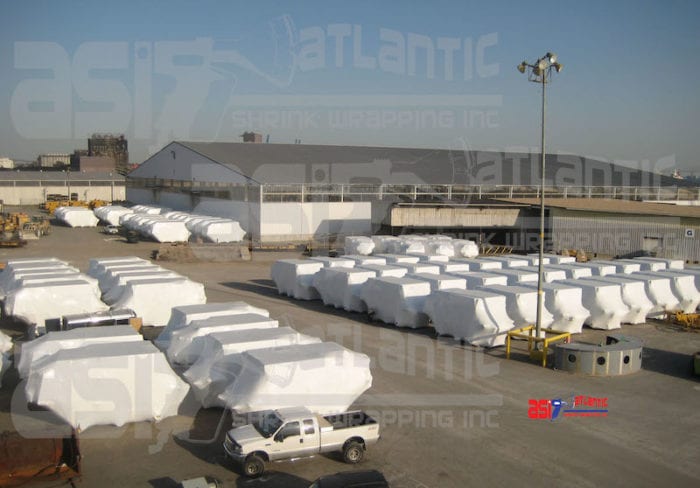
Traditional shrink wrap is made from polyethylene, a petroleum-based plastic. It’s incredibly durable, which is why it works so well. But that durability is also the problem. It doesn’t break down quickly in a landfill. And while it is technically recyclable, not every facility accepts it.
For companies with sustainability commitments, that’s a real concern. We’ve had clients tell us they love the protection shrink wrap provides, but they feel guilty about the waste. That’s a fair point, and it’s one we’ve been working to address.
BioShrink: The Eco-Friendly Option
One material we now offer is BioShrink. This wrap is designed to break down more readily than traditional polyethylene. It’s still tough enough to handle weather and transit, but it has a smaller environmental footprint.
BioShrink is also great for projects where mold and mildew are a concern. It resists moisture buildup, which keeps equipment dry and clean during long-term storage. That gives you sustainability and performance in one package. That’s a win in our book.
We’ve used BioShrink on projects where clients wanted a greener option without sacrificing protection. The feedback has been positive. The wrap performs just as well as standard shrink wrap, and clients feel better about their choice.
Recyclable Options and Proper Disposal
Beyond BioShrink, we’re also seeing improvements in recycling infrastructure for shrink wrap. More facilities accept it now than they did five years ago. That means the wrap you use can often be recycled instead of tossed in the trash.
We always advise clients to check with their local waste management provider before assuming the wrap can go in the recycling bin. Rules vary by location. Some facilities take it curbside. Others require you to drop it off at a designated site. A quick phone call can save you a headache later.
When we finish a project, we’re happy to walk you through your disposal options. We want to make sure the wrap doesn’t end up in the wrong place.
Why This Matters for Your Business
Sustainability isn’t just a buzzword anymore. It’s a business priority:
- Company Commitment: Many companies publicly commit to reducing waste and lowering their environmental impact. Choosing eco-friendly materials is one way to meet those goals.
- Customer Satisfaction: Sustainability matters to your customers. More buyers are paying attention to how companies handle their waste. If you can tell a client that their equipment was protected using a biodegradable wrap, that’s a point in your favor.
- Industry Regulations: Some industries face stricter rules on plastic waste. Getting ahead of those regulations now can save you from scrambling later.
We’re Here to Help You Choose
We don’t push one material on every client. Every project is different, and the right choice depends on your priorities. If sustainability is at the top of your list, we’ll show you the options and explain the trade-offs. If performance is the main concern, we’ll recommend the material that delivers the best protection.
Either way, we’re committed to staying current with what’s new in the industry. When better materials come along, we’ll be ready to put them to work for you.
Curious about eco-friendly shrink wrap for your next project? Give us a call. We’d be happy to talk through your options and help you choose what fits your goals.