
The energy sector runs on expensive, sensitive, and often irreplaceable equipment. From turbine components and generators to transformers and pipe skids, these assets are critical to keeping the lights on. But they also face a constant threat: the environment. Moisture, dust, salt air, and even accidental sparks can turn a multimillion-dollar piece of equipment into a costly repair project. That is where industrial shrink wrap comes in. It is a proven, reliable way to protect energy equipment during transport and storage.
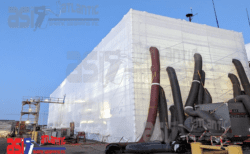
Why the Energy Sector Needs Specialized Protection
Energy projects often involve moving massive components across the country or even overseas. A generator exciter, like the one used in a hydropower system, is sensitive to corrosion. If moisture gets into the metallic parts during an open-flatbed haul, the damage can cost thousands of dollars to repair and delay an entire project.
This isn’t just about keeping equipment dry. It’s about ensuring that when a component arrives at a wind farm, power plant, or substation, it’s ready to install. No surprises. No delays.
The Right Material Matters
For many energy sector projects, standard shrink wrap is not enough. That’s why Atlantic Shrink Wrapping uses premium thick flame-retardant shrink wrap for the bulk of its energy work. This material meets strict safety specifications, meaning it self-extinguishes after the heat source is removed.
This is crucial for equipment being transported or stored near welding, grinding, or other hot work. It reduces fire risk without compromising on protection. The material is also the thickest available, providing extra durability against tears and punctures during handling.
Common Energy Sector Applications
Shrink wrap is used across a wide range of energy applications:
- In the wind power industry, massive blades and nacelle components require protection during overland transport and storage before installation.
- In the oil and gas sector, pipe skids and drilling equipment are often wrapped to prevent rust and contamination while waiting at staging yards.
- Power generation facilities use shrink wrap to protect spare turbine rotors and generator stators. These items may sit outdoors for months between maintenance cycles. A proper wrap keeps them clean and dry, so they are ready to go back into service on schedule.
- Even nuclear power plants rely on shrink wrap to protect sensitive components from dust and debris during facility upgrades. In these environments, cleanliness standards are incredibly strict. Shrink wrap provides a clean, contaminant-free barrier that meets those requirements.
A Professional Approach to Critical Infrastructure
Protecting energy assets requires more than just the right plastic. It requires a team that understands the stakes. When you’re dealing with equipment for nuclear power stations or major grid infrastructure, there’s no room for error.
Our experienced crews plan each project carefully, accounting for the shape of the item, the transit route, and the storage conditions. We understand foreign material entry requirements and follow strict safety protocols. This includes providing proper identification credentials and drug testing employees to meet site security standards.
Peace of Mind from Start to Finish
The goal of professional shrink wrapping is simple: make sure your equipment arrives in the same condition it left. When a component is wrapped correctly, it is shielded from rain, snow, dust, and UV damage. It stays clean and corrosion-free, even if it sits in a lay-down yard for months before installation.
In the energy sector, that peace of mind is not a luxury. It’s a necessity. Downtime is expensive. Rework is costly. And reputation matters.
Does your power generating business require a safe, reliable way to store or transport its equipment? Contact us today to discuss a protection plan that fits your project.